
COMMERCIAL / HERITAGE & LISTED BUILDING RESTORATION ★
Heritage buildings, rescued by good planning.
Listed building consent, heritage impact assessments, conservation-led design and specialist repair — from Grade I townscapes to Grade II fabric. The consents other teams can't get.
- We prepare
- Heritage assessments
- We secure
- LBC + planning
- We deliver
- Specialist repair
- Proven
- Queen Sq · Walditch
- “The building is deteriorating faster than the consent process is moving.”
- “A previous application died at the conservation officer's desk.”
- “We need a use that pays for the rescue.”
Heritage buildings fail for lack of a viable plan, not lack of affection. The work is finding the economic use credible enough to fund the rescue, then proving — intervention by intervention, in a heritage impact assessment the conservation officer can support — that the scheme preserves what matters. Pre-application engagement, iterative design, agreed method statements: that's how a 'no' becomes a consent.
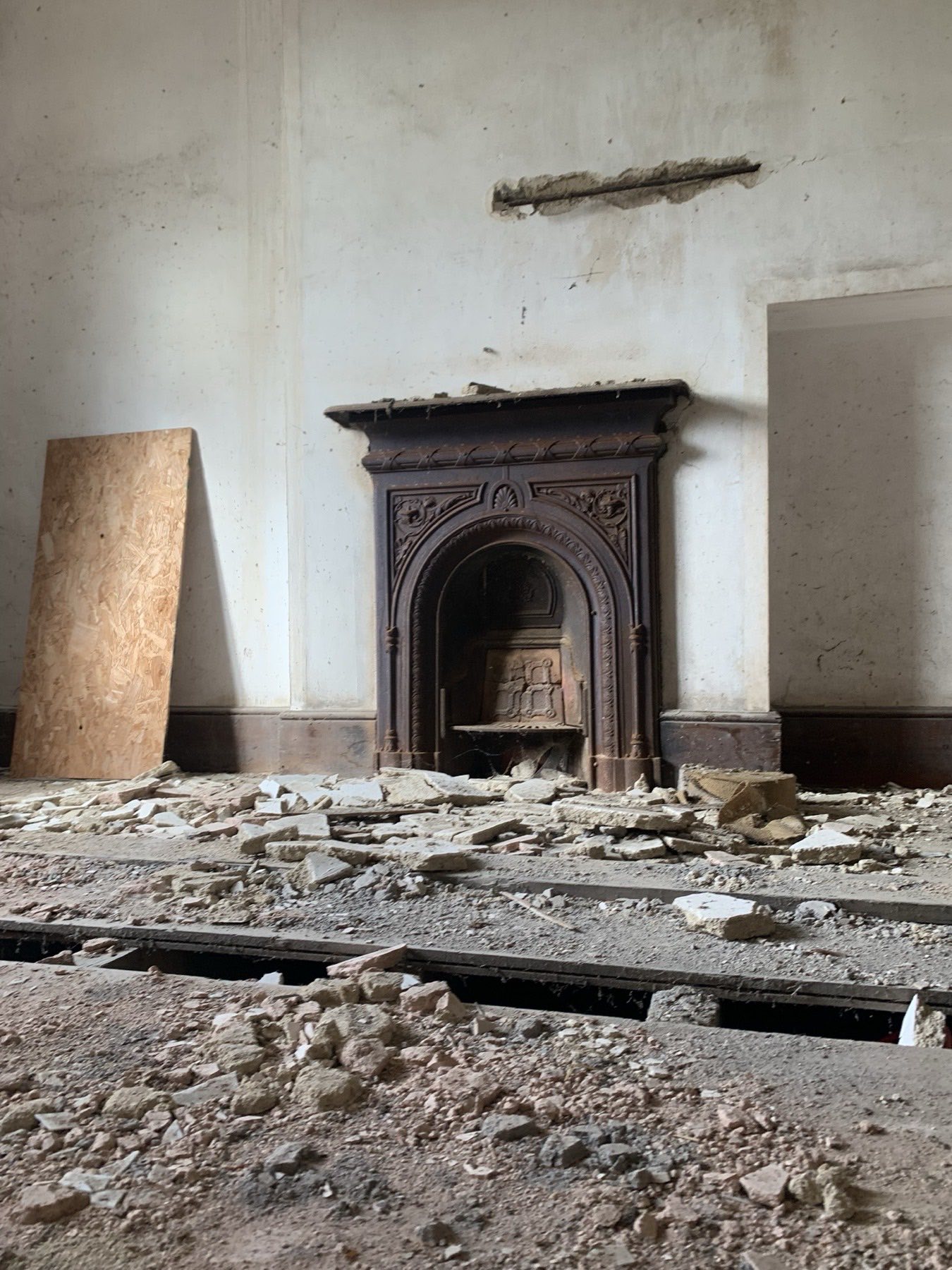
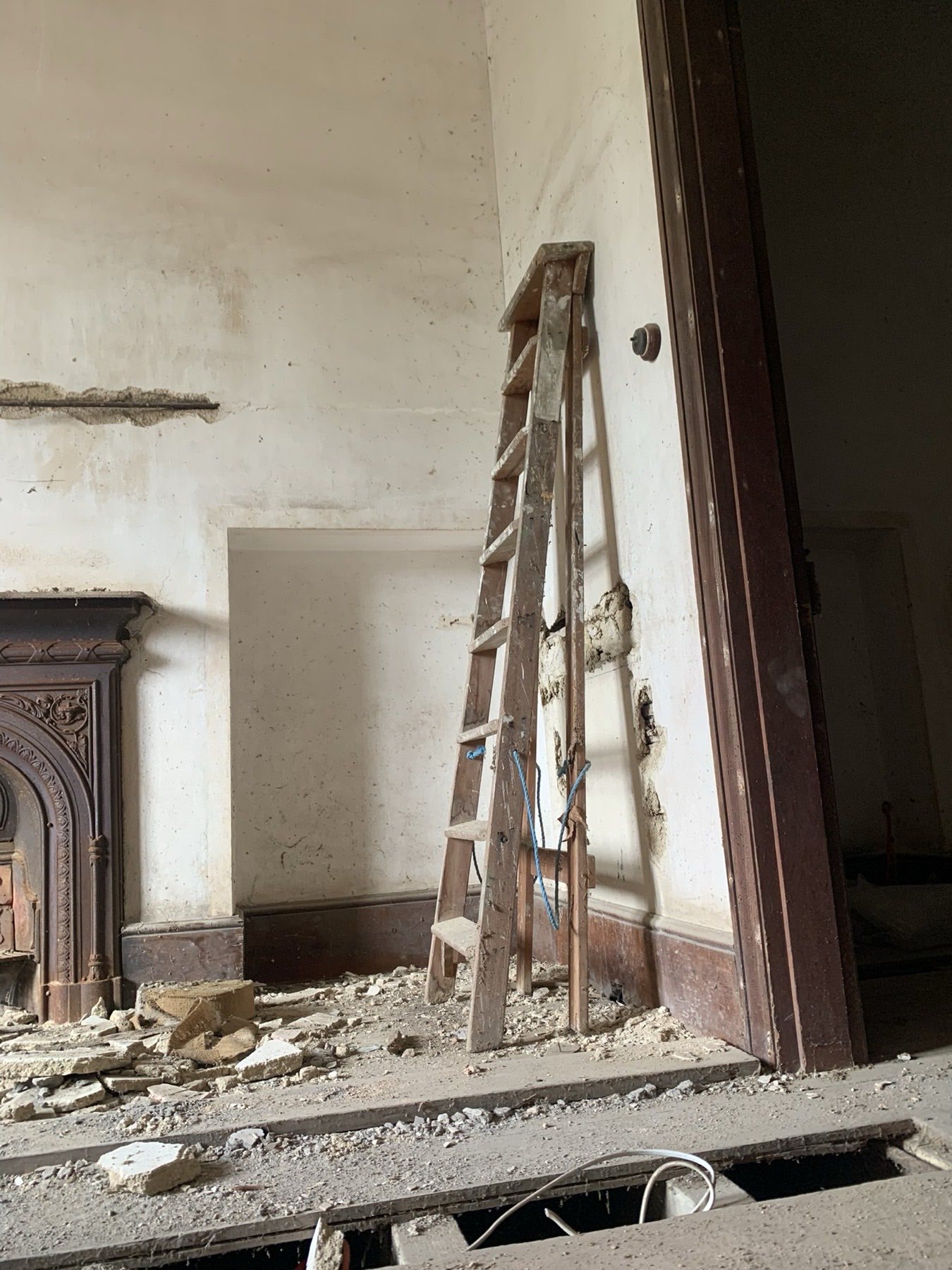
The evidence: a derelict landmark in Queen Square's Grade I townscape consented for mixed use through Bristol's most demanding policy environment, and a Grade II stable block in Dorset — WW2 damage, failing roofs, protected species and all — both granted without appeal.
- Clean grants, no appeals, in a Grade I townscape and on Grade II listed fabric.
- We write the heritage impact assessment and argue it ourselves, direct with the officer.
- Repair strategy through construction: recording, storage and reuse of fabric, reversible interventions.
Former Seamen's Institute — a landmark left for dead, given a way back
Blitz damage, a failing church roof and England's most demanding sustainability policy — consented cleanly in a Grade I Georgian square.
Read the case studyWhat makes a heritage application succeed?
Evidence and engagement: a heritage impact assessment that takes the building's significance seriously, developed iteratively with the conservation officer — not submitted at them.
Can you handle both consents at once?
Yes — planning permission and listed building consent secured simultaneously is our standard approach; both were granted together at Hyde.
Do you build the restoration too?
Yes — specialist repair, conservation method statements and heritage contractor procurement are part of the same accountable programme.
START HERE
A building at risk needs a plan, not a eulogy.
A short conversation with Tom is the fastest way to find out what’s possible — no fee, no obligation, an honest read on your site.